

I never asked.
I never asked my Dad if he was having suicidal temptations.
I wish I had.
With a pit in my stomach and many, many questions bombarding my thoughts, I stood next to my Mom for hours on end next to my Father’s casket. I couldn’t shake the feeling that we shouldn’t have been there. My Dad had passed from suicide, and other than his struggles with mental illness, he had lived a healthy life. I often hear people say “gone too soon,” but in that moment, it felt like more than a platitude. My Father was only 50 years old at the time of his death, and he had many, many more years ahead of him had depression not robbed him of that future.
Mom and I were hurting and struggling, but so were the nearly 1,000 people who showed up at Dad’s visitation. For hours, they stood in a line that wrapped through our church foyer and into the parking lot waiting to say goodbye to my Dad and to provide any comfort they could to our family. They provided that comfort—and so much more. Their sadness was a reflection of just how much my Dad was loved. Dad spent a lifetime loving people the way that God taught him to. This was the evidence of a life well spent.
We cried with and hugged so many people and had conversations about my Dad that rejuvenated our grieving souls. We talked with family members. We talked with colleagues. We talked with friends. We talked with people who had been in our lives long ago, and those who were also there every day.
There were many interactions that are imprinted on my brain from that night, but a handful that really stand out in particular.
Especially my conversation with Mary Bausano.
When I saw Mary approach the casket, my already tear-filled eyes welled up with a new flood of emotion. Mary compassionately approached me with tears of her own and open arms, and as I sobbed I kept repeating a confession to her that had been on my conscience since the moment I found out my Dad was gone.
“I didn’t ask him. Mary, I didn’t ask him.”
Mary Bausano is one of those unexpected life changers—the people who enter your life when you least expect it or in a super ordinary way that end up having an extraordinary impact. While I was a student at Miami University Hamilton, Mary was the Director of Student Counseling Services and the Assistant Dean of Students to my mentor, Dr. Bob Rusbosin. I interacted with Mary quite a bit because I served in the Student Government Association and spent considerable time in the Office of Student Affairs in Rentschler Hall (although I must admit, some of those visits were simply to pad my pockets with the free suckers that were on Miss Carol Stubblefield’s desk).
More than that, however, Mary was the very first college professor I ever took a class with. I was fortunate to be a student in Mary’s section of EDL 110: The University & The Student, which was a transition course to help new freshmen navigate their college experiences. As a first-generation college student who was a nervous wreck about the four years that were ahead, I needed this course more than I was willing to admit.
And Mary was the perfect guide to help me make this transition. Mary was approachable and confident and helpful and caring—all the traits that, in my opinion, are most important in being a good teacher at any level. Mary used a blend of discussion and course activities that brought a level of interactivity to the college classroom that I had not expected. I look back on the fact that I have now pursued graduate degrees and worked in higher education for quite some time, and I can directly trace the origins of my journey back to the course that Mary taught in a second-floor classroom of Mosler Hall.
I would stay in touch with Mary during my entire time at Miami, and that friendship continued once I joined the staff at the Regional Campuses. But before long, I found myself back in the classroom with Mary, albeit for an unexpected topic.
A staff-wide announcement came across my inbox offering an opportunity for any Miami employee to participate in a free Mental Health First Aid training course at the Hamilton Campus. And to my surprise, Mary would be teaching the course! I responded quickly and signed up for the course, knowing that my motivations for taking the course were more complex than I was willing to let others know about.
During the first day introductions of our class, Mary asked us to share why we were taking the course with our fellow classmates. When my turn came, I made a conscious decision to hide my true motivations for being there. I mentioned that a neighbor had been exhibiting some signs of severe mental distress, and I said I wanted to learn more about the interventions that might be available to help this person and also protect my family.

My real motivations for taking the course, however, hit much closer to our own home than the neighbor’s. The deep-down truth was that my own Father had struggled with depression for his entire adult life (although I didn’t find out about it until later in his life) and I was grasping for answers. I felt completely helpless when it came to my Dad’s depression. I didn’t know what to do, what to say, or what to feel. If my Dad had been suffering from a physical ailment, I likely could have come up with tangible things to do in an effort to make him feel better; but when it came to a mental illness, I just didn’t understand how I could help.
There was more. The deeper, personal truth was that I was suffering from mental illness myself—and intensely. In the chapter of my life leading up to the course, I had been fighting through an intense battle with anxiety that had been completely debilitating. About a year before taking the course, I hit a breaking point and couldn’t function anymore. I was completely overtaken with angst, and unable to function because I had convinced myself that I was suffering from a fatal illness that the doctors could not diagnose. My brain illness had taken its physical toll as well. For months on end, I could only sleep for two to three hours each night, and on many nights, I would startle awake from horrific dreams in which I was an attendee at my own funeral. I struggled to eat and lost weight unintentionally. I felt constantly weak and struggled to maintain my sanity.
I didn’t understand how to help my Dad; but I also didn’t understand how to help myself.
The good result from the bad breakdown was that, after confessing my struggles to my parents, I was finally able to find the help I needed. I began taking anxiety medication with the advice of my doctor, and I began regular appointments with my therapist Jeff Yetter to work through the issues associated with my clinical anxiety. I was finally starting to feel as if I was regaining some sense of control over my thoughts, emotions, and behaviors that had been desperately absent during these dark days.
Things had gotten better, and I was fortunate for that. Even having gone through my own personal struggle, I still felt ill-equipped to help my own Father. I didn’t quite understand all of the reasons why I had gotten better, but I also recognized that my Dad and I, although both suffering from mental illness, suffered very, very differently. I suffered from anxiety caused by a traumatic event which created an unhealthy (and completely unfounded) fear of death; my Dad, on the other hand, suffered from depression, a disease that (when not controlled) made death appear to be a relief from the pain and difficulty associated with it.
Nonetheless, I buried these motivations under the surface and dove in to the course head-first with Mary guiding us through the curriculum. If you’re unfamiliar with Mental Health First Aid (and I absolutely was when I entered), the program has two primary goals: (1) to familiarize individuals with the wide-array of mental illnesses and the unique nuances of each, and (2) to prepare those individuals to respond to those who are suffering in a way that prioritizes health and healing. The goal for those who complete the course is not to be therapists or psychiatrists themselves, but instead to respond in a way that can encourage those suffering from mental illness to get help from those trained individuals. Think of it as someone who completes a CPR course. You don’t have to be the doctor who performs the heart surgery; you just have to know the skills to keep that person alive until the doctor/medical professionals can arrive on the scene. Mental Health First Aid is very similar. MHFA responders become the catalysts for healing and conduits who connect those who are suffering with those who can help.
Partially because of the content and partially because of Mary’s amazing skills as an educator, I dove right into the course. I was amazed at how little I actually knew about mental illness even though I had suffered myself and been so closely associated with my Dad’s struggles. There was so much about depression I did not understand, including its prevalence in our society. Even having suffered from anxiety, I did not understand how easy it was for a psychological disorder to then manifest itself in physical symptoms. I grappled with the pain that individuals with psychosis must have felt when they experienced regular delusions or hallucinations, and my heart ached as I heard the stories of those struggling with substance abuse or eating disorders. As I’ve mentioned here before, there was a pain-filled world existing around me that I had been blind to, either unintentionally or intentionally. The course opened my eyes in ways I had not expected.
What was even more beneficial, however, was the application phase of the course. With a gentle, steady, and determined style, Mary worked with all of us to develop the skills, behaviors, and techniques needed to respond to those who were struggling with any host of mental illness. She helped each of us to realize that, although difficult, we could grow into this role and help those who were hurting.
Like any good training course, Mental Health First Aid offered a great acronym to assist those in the first responder role as they entered into a conversation with the person who was in crisis: ALGEE.
A – Assess for risk of suicide or harm.
L – Listen nonjudgmentally.
G – Give reassurance and information.
E – Encourage appropriate professional help.
E – Encourage self-help and other support strategies.
All of the steps in the ALGEE acronym made sense to me, and pacing through each of those steps intentionally helped me to understand what types of statements, behaviors, responses, and actions were appropriate or beneficial to someone in the throes of a mental health crisis.
But I must admit, the first step gave me pause. Part of the assessing phase of the mental health first aid response was spotting the physical and tangible manifestations of mental illness, or those things that could be outwardly observed or experienced: threats of suicide, talking or writing about death, expressing hopelessness, exhibiting unexplained anger or rage, or even withdrawn behaviors or physical effects. The more difficult part of the need to assess risk for suicide occurred when the person in need of assistance might refuse to talk, engage, open up, or readily send up any warning signs. That interaction required the skill and acumen of a confident responder, because it required asking a question that no one likely ever wants to ask.
Effective assessment, according to all the research, might require us to ask the individual across the table if they were contemplating or considering suicide.
When Mary started to talk about what we needed to do during the “Assess” stage of our conversations, I remember the shock my classmates and I felt. Asking that difficult question just didn’t seem like the right thing to do.
Together, we read this portion of the textbook: “If you suspect someone may be at risk of suicide, it is important to directly ask about suicidal thoughts. Do not avoid using the word suicide. It is important to ask the question without dread and without expressing a negative judgement. The question must be direct and to the point. For example, you could ask:
- ‘Are you having thoughts of suicide?’
- ‘Are you thinking about killing yourself?’” (Mental Health First Aid, 2009, p. 25)
“How many of you are surprised by this?” Mary asked us. It felt as if everyone in the room was as surprised as I was by the recommendation that was being offered. Asking this question, and especially using the word “suicide” with someone who was hurting, led us to believe that we were planting the thoughts of lethality into their already suffering minds.
We talked through our reservations with Mary, and I’ll always remember her sense of openness and her giving us the space (as people who were not experts) to talk through the difficulties we saw with this approach. Without judgement, Mary listened to each of our concerns, but then, slowly and purposefully, helped us work through them to understand why asking the question directly might help someone in the midst of a life-threatening crisis.
“If you appear confident in the face of a suicide crisis,” our books and Mary explained, “this can be reassuring for the suicidal person. Although some people think that asking about suicide can put the idea in a person’s mind, this is not true. Another myth is that someone who talks about suicide isn’t really serious. Remember that talking about suicide may be a way for the person to indicate just how badly they feel,” (p. 25).
My classmates and I still voiced our concerns. “But I feel like asking that question could do harm,” we responded. “What if the person isn’t thinking about suicide, and then we put the thought in their head?”
But Mary reassured us that asking was better than leaving the conversation unsaid—and the research that is being conducted in mental health and suicide prevention resoundingly confirms this (for more information, see the resources I’ll include at the end of this post). The trainers for Mental Health First Aid were not encouraging responders to run around asking every single person they interacted with if they had contemplated suicide. This isn’t a blanket response. Instead, the trainers encouraged responders to use their newfound knowledge of the warning signs related to depression, anxiety, bipolar disorder, and other forms of mental illness to spot someone who might be having suicidal ideations or who could be headed down that path. Then, in those specific situations, responders have a duty to ask a question that can often turn the stomach of the person asking it.
I am a man who trusts experts because the expertise they’ve earned is often hard-fought; and in this circumstance, even though it sounded counterintuitive to me to bring up the topic of suicide with someone who was in pain, I vowed to follow the instructions. I believed, in my heart, that the individuals at Mental Health First Aid and my teacher, Mary, had the best of intentions and wanted to equip my classmates and me with the skills to help those who are suffering from mental illness.
Fortunately, Mary did more than just implore us to ask this question (another sign of what a wonderful teacher she is). After giving us space to question and engage with the idea, Mary then put us into pairs and told us that we would have an opportunity to practice asking the question.
As awful as it might feel, we were going to role play asking this question.
Mary gave each of us a small sheet of paper which included our “acting directions,” which were signs and symptoms that we needed to exhibit when playing role of the person suffering from a mental illness. We were to do our best to showcase the symptoms that had been described to us in the “character directive” and to make the role-play-situation as real as possible. Then, the person serving in the role of the mental health first aid responder would respond with empathy, sincerity, and ultimately, ask the individual about any potential for suicide.
Even in a simulated environment, I was amazed at how difficult it was to ask another living, breathing human being if they were considering self-harm. My palms were sweaty and my hands were shaking. I felt a lump in my throat as I asked my class partner if she was contemplating suicide. When she responded that she was (in character), I did my best to empathize, normalize, and tell her how much she mattered. Then, mutually, we worked together to try and devise a plan to get help, which included seeking the treatment offered by a licensed therapist.
We continued to practice, and I must admit…although the words and processes started to become more standardized, routine, and familiar, I don’t know that the emotion of having to ask that question ever faded.
What did change, however, is that I slowly became a bit more confident and accustomed to the emotion of the moment.
Mary gave us time and space in the course to talk through the emotions we felt asking that question. Hearing how difficult it was for my classmates was also reassuring. It was good to know it wasn’t just me who struggled. But we also listened to the reaction of the person playing the individual who was suffering. Being on the receiving end of that hard question, they largely mentioned that hearing someone care enough to ask that question made them feel as if they mattered. It gave them hope. It let them know they were not alone.
Throughout that 4-week course, we continued to practice asking that question at Mary’s direction. The more we practiced, the better our responses became. The more our confidence was built. We were not only able to detect the signs of someone who might be suicidal, but we were also able to try and respond with helpful resources, tools, and action plans that might help the suffering individual find the treatment he or she needed to survive. In addition to these questioning and response techniques, we also learned more and more about the varying typologies of mental illnesses and the differences in their symptomatic manifestations. It was heartbreaking and simultaneously enlightening. Prior to this course, I had never considered the complexity of mental illness and the different ways that it played out in the lives of so many individuals. I was blown away by the prevalence of mental illnesses in the lives of others in our country.
In every example of mental illness that we discussed, I must admit I thought of my Dad; however, I never, never once considered that my Dad would become a part of such a scary statistic.
Sitting across from my Dad in the darkened family room of our family home on July 24, 2013, I tried to talk with my Dad. In the heat of what I knew was likely the darkest moment of my Dad’s battle with mental illness, I tried to rapidly think back through all the things I had learned from Mary and the Mental Health First Aid course.
Just a few hours before his story morphed into a tragedy, I asked my Dad a lot of questions. I asked him how he was feeling, even though I knew that his answer would not even come close to reflecting the true pain that tormented his soul. I asked him if everything was okay at work. I asked him about other burdens he was carrying in his life and whether or not these felt overwhelming. I asked him about the doctor’s appointment he had scheduled for later that afternoon. I asked him about his misgivings and apprehensions related to seeing a counselor or therapist, although I couldn’t seem to convince him that this would help.
Successfully in some respects, I employed many of the tactics I had learned from the course. But in the midst of all the questions I asked my Dad on that fateful day, I did not ask him if he was having suicidal thoughts.
No matter how much practice I had, I just couldn’t bring myself to do it. I could not bring myself to ask the man who had guided me through this life if he had thoughts of ending his.
Unfortunately, it’s the question I didn’t ask that still haunts me.
Standing near the casket on the day of his visitation, I wept and confessed my guilt to Mary. In true Mary Bausano fashion, she stepped forward and she grabbed both of my shoulders. In a compassionate and empathetic voice, she brought her hand to my cheek and did her best to minister to me in that moment of grief and guilt.
“Tyler. He was your Dad. You have to understand the dynamics of the relationship and how that affected your conversation that day. Your Dad was an authority figure in your life, making it even more difficult for you to ask him if he was contemplating suicide. He was your Father. Tyler, you are not responsible for this.”
I needed to hear that validation from Mary, the person who had taught me how to respond to those who were in the throes of a mental health crisis. I needed her encouragement and reassurance that I had not been the lynchpin in my Dad’s tragic end.
Standing near my Dad’s casket, I felt it was important to talk with Mary for a long time because her instruction had been so important to my understanding of mental illness. Even though My Dad’s life had ended from suicide, I also felt that the information Mary had taught me helped me to be more empathetic and understanding of my Dad’s struggles (and eventually my own) when he was here in this life. As she had encouraged me so many times before as a student, Mary refused to let this moment defeat me. We stood there, and with a tender heart, Mary helped me understand how deeply my Dad was hurting and suffering, even if his wounds and injuries were not physical or visible.
I was thankful to Mary on that day. And I’m still extremely grateful for all she taught me. Even though my Dad’s life might have ended prematurely, much of what I learned about helping those who are struggling with mental illness I can trace back to Mary’s course.
And I’ve been in many situations since losing my Dad when, thankfully, I’ve had the confidence to ask that difficult question. Ultimately, I know how important it is to ask.
Here’s the truth: A person who is suffering from depression and already feels like a failure will likely hide those feelings behind a mask. If we expect those same individuals to readily offer up their suicidal ideations without being questioned, we are fooling ourselves when it comes to the hard truths of mental illness.
The reality is this: I did not think my Dad was suicidal. I don’t think anyone in his life did, and in some senses, I try to remember that when I feel guilty for not asking him. My Dad was too bright, too outgoing, and too full-of-life (in my mind) to ever be suicidal. It just didn’t compute with the image of the man I knew.
That being said, I still wish I had asked. I’m not writing these words to beat myself up over what was left unsaid. I’m writing this in the hopes that those who are reading and find themselves in a similar position that I was in might have the courage to ask.
My Father’s death offers important lessons, and when I can help to prevent this same occurrence in the lives of others, I’ll do it. The lesson when it comes to asking this question is this: in most cases where a suicide occurs (like my Father’s), it’s rare that those around them could have ever envisioned this as a likely scenario. Whenever I talk with survivors of suicide (individuals who lose a loved one to suicide), they typically all say the same thing: we never could have imagined our loved one was suicidal. Yes, there are some cases where there may be visible warning signs on the surface or previous suicidal attempts (it doesn’t make suicide acceptable, but some instances are more predictable in others). Even in those situations, however, I think that no one really envisions suicide as something that is “likely” to occur. That’s because it’s unnatural. That’s because it shouldn’t occur. Life wasn’t designed that way.
But the unfortunate statistics bear out: it is occurring, and it’s occurring at a heartbreaking clip. Recent statistics are beyond frightening, showing an average of 130 deaths from suicide per day according to the American Foundation for Suicide Prevention.[1] On average, that’s a death from suicide roughly every 11 minutes in the United States.
So, the message is clear. We must ask. When we suspect a suicide might occur, we must root it out. We must give the suffering individual hope and a path forward other than death. We must overcome our own fears and ask a difficult question, because it may be exactly what the recipient of that question needs to hear to know they matter and bring them out of the cloud of hopelessness they are living within.
 I didn’t write this story to wallow in my own guilt; I wrote this story to serve as an example to everyone in this life who loves someone or cares about someone that struggles with mental illness—and if the statistics tell us anything, that’s likely everyone. I wrote this story in the hopes that we might be able to normalize and de-stigmatize the conversation around mental illness. I wrote this story in the hopes that, in the same way we might inquire about someone’s health in the midst of a physical injury, we might learn to do the same in the throes of a mental injury. I wrote this post in the hopes that, someday, the question of “How are you doing?” can be met with more honesty than a perfunctory “I’m fine.” I wrote this story in the hopes that, someday, just one person who is unfortunately sitting across from someone who is hurting under the surface might find the courage to ask this unbelievably difficult question and save a life.
Had I asked this question, I don’t know what my Dad’s response would have been. There is a good likelihood that he would have kept his mask on tightly (as he did so many times before) and responded that he was not feeling suicidal even if he was. There is a good chance the question might have caught him off guard and sent off a warning sign that would have put myself and my family into a different mode of response. There is a good chance that he might have answered with honesty and we would have had an opportunity to talk him through how important he was to all of us who loved him while moving to get him the medical attention he so desperately needed. There is a chance we could have had a breakthrough.
No plan is full-proof, but even if there was an infinitesimal chance that it could have saved his life, I desperately wished I had asked it—even if the response from my Dad was not truthful.
Take it from me: I wish I had asked.
Sometimes, I wonder how I would have felt had my Dad told me that he was not suicidal only to have him die from that mechanism a few hours later. Would I be riddled with guilt that I put the thought into his head?
Here’s the truth: Knowing what I know now, the thought was already there. Maybe it had been there for longer than any of us knew. And it’s a thought that, unfortunately, is there for so many individuals who are struggling with mental illness. It’s a thought that burrows under the surface and invades our psyches when we are mentally ill. It’s a thought that, when given too much power, can close off our rational mental processes. And it’s a thought that, sadly, cannot be exposed unless someone from the outside shines a light on it.
It’s a thought that might only come to the surface if we find the courage to ask.
Asking that question is our way to shine a light on this epidemic. Asking individuals if they feel suicidal doesn’t put the thought there; it exposes a thought that is likely already in existence. Most importantly, asking the question is the only way to open the doors to healing and treatment for many who struggle to ask for it when they need it.
I won’t live my life wondering if I should have asked my Dad this question because I know I should have. That being said, I will not give into the temptation of guilt and feel responsible for my Dad’s death. There is no one, no one, who is guilty for what happened to my Dad on that fateful July morning—including my Dad. I don’t blame him. I don’t blame anyone in his life. I blame mental illness. I blame depression. I blame the stigmas developed in our society.
The only way to counter these is to ask. Mary taught me that—and having gone through a tragic loss of a loved one to suicide, I still believe she was right.
The only way to clear the path to that vulnerability and healing is to ask. When you interact with a loved one who you think might be suicidal, ask them and respond accordingly. Keep an eye out for warning signs. If they are suicidal, stay with them and find them the help they need offered by medical and psychiatric professionals.
And most importantly, love them. It might not seem like it, but just by asking this very difficult question, you are showing love. You are showing compassion and tremendous care by asking someone who is struggling if they’re contemplating a dangerous and unthinkable end. You would only ask that question if you loved that individual—remember that yourself, and remind the person that you’re asking just how much you love them.
In the end, those individuals that you ask will thank you for doing the difficult thing. And as a son who lost a beloved father to a horrible mental illness, I’ll thank you for helping to make sure that my Father’s story does not become someone else’s.
Together, we can learn to ask this question—and together, we can learn how to respond with empathy and care to those who answer it.
 Dad, I miss you more and more each day that goes by. As much as I don’t want to, I often sit back and replay our last conversation together and wonder if I could have done more. I wonder what would have happened had I asked you whether or not you were experiencing suicidal thoughts. I don’t know that you were. I just know that I miss you. I just know that I wish I could have done more because we all loved you so much. You brought such vitality and fun to all of our lives. You were the glue that held so many of us together in unique ways. You were important to all of us, and even thought it has been more than seven years since your death, you are still missed beyond belief. Dad, I would give anything to be able to sit down with you again on that day—not for me, but for you. You deserved a long life. You deserved to grow old, and become a Grandpa, and retire, and all the things that come with a long life. Even though you’re gone, I am grateful that your story lives on and that you continue to inspire all of us through the way you lived your life. Dad, I have so many questions for you; but I’m thankful that when I get to the other side, none of this will matter. All of the hurt and pain that we experienced in this life will be gone. Together, we will be able to rest in an everlasting paradise where the pains of this life are a disappearing vapor. Until that day, know that I love you. Know that I’ll continue doing everything I can to keep your memory alive. Thank you, Dad, for always being there for me—I can still feel you here now. I love you, Dad. And for now, seeya Bub.
“For this is the message you heard from the beginning: We should love one another.” 1 John 3:11 (NIV)
Additional Resources: If you’re like me, you still struggle with the idea of asking someone you love and care for whether or not they are considering suicide. It’s a difficult idea to come to terms with, because those conversations about life and death are not fun to have. But the research is clear—your asking someone whether or not they are considering suicide or having suicidal thoughts could, in fact, save that person’s life. If you are struggling with this idea or have additional questions regarding this important part of assessing risk for self-harm, please explore these additional resources. I promise you that the time you spend reading them will be worth it to the individual lives that will be impacted by your desire to learn more and help:
“The Question That Could Save a Life” by Karen Young (Hey Sigmund)
And of course, I recommend that you learn more about the life-saving techniques offered through Mental Health First Aid, and if possible, I would encourage all of my readers to enroll in and complete a course.
References:

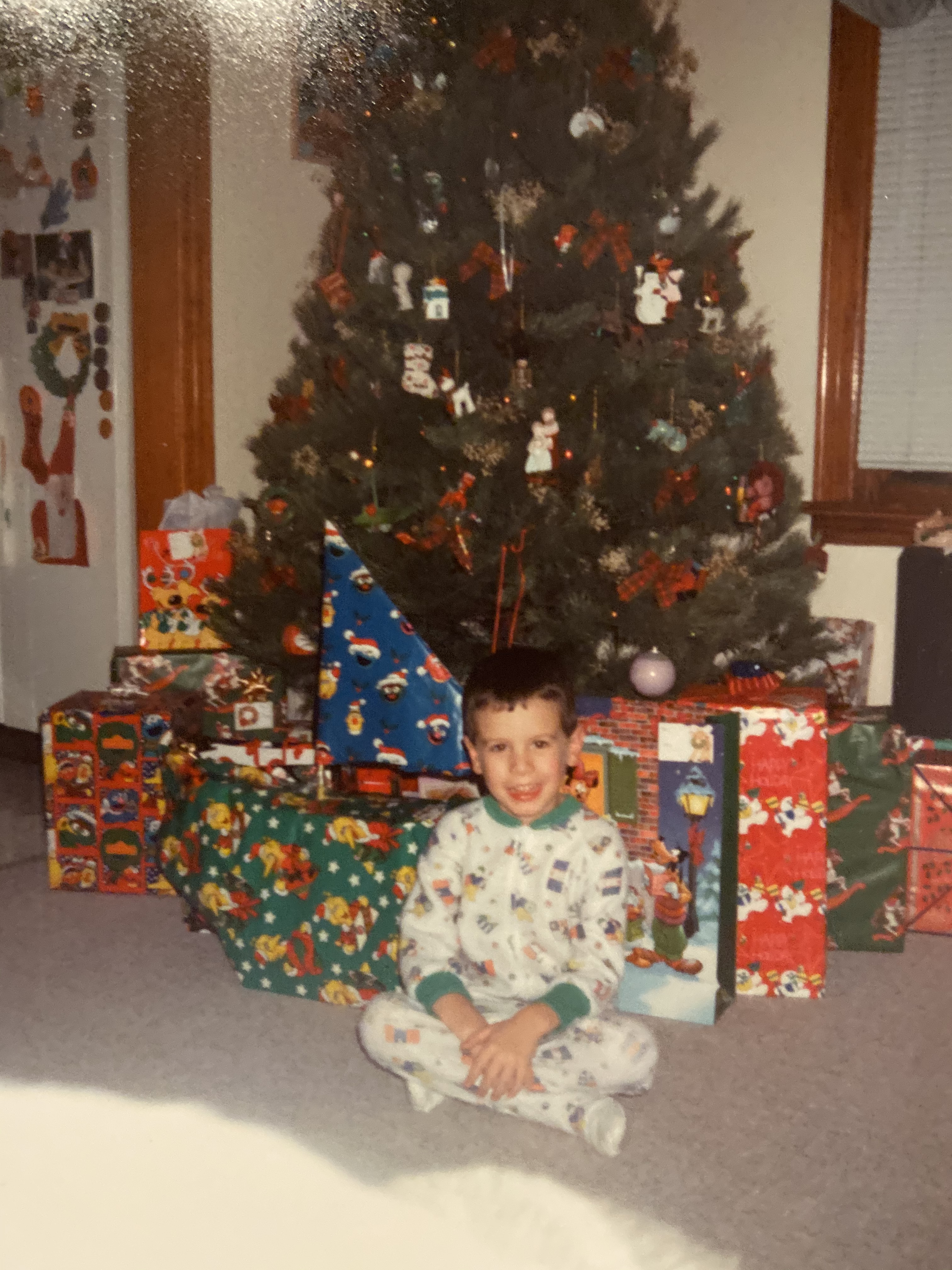 Like most kids, I was usually the first one down the stairs to wait anxiously in the family room for everyone else to wake up. I always felt that sparkle deep in my bones that only a childhood Christmas morning can replicate. I’d look down the stairs and see the twinkling tree that Mom and Dad had meticulously decorated in the living room (
 But he could let moments go by on Christmas morning before lumbering down the stairs. I would wait downstairs with all the patience of a hungry infant. After shaking a few boxes here and there, I’d try and walk around and creak all the right floorboards in the hopes that it might wake up Mom and Dad and cause them to come downstairs. I’d turn on the television and put the volume just a little too high. Maybe sing a spontaneous Christmas carol here and there. A fake cough might do the trick. I also got pretty good at finding ways to cause our dog to bark incessantly in an effort to commence the Christmas morning festivities (thanks, Willow!).
 We always had dogs that enjoyed unwrapping presents, which was quite the feat looking back on things. And as much as Dad enjoyed watching them unwrap the gifts and laughing about it, he also enjoyed taking thousands of photos of them while doing it. Beep, flash. Beep, flash. Beep, flash. Over and over again, the shutter of Dad’s digital camera would snap and snap while capturing what my Dad thought was the most amazing feat man’s best friend had ever accomplished.
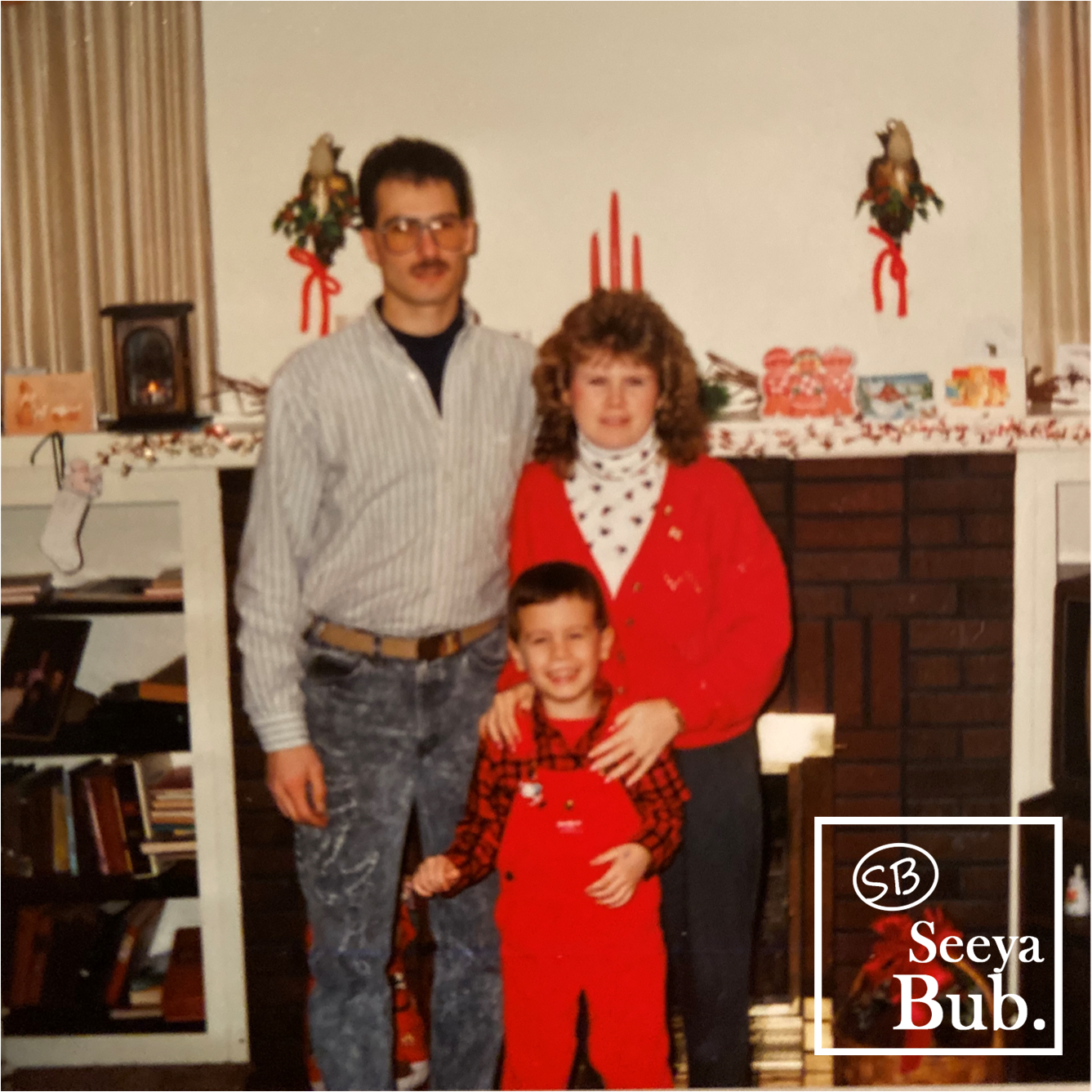 I think the reason I can soak up those memories so well is, ironically, because of the way my Dad forced us all to slow down. On Christmas Day, and in nearly all the days of his life, my Dad was one of those guys who was truly present in every single moment. Nearly everyone who knew my Dad can attest to the fact that he was a man who was always fully present and immersed in whatever he was doing at any given moment. My Dad wasn’t distracted by much when he was around people. When he was having a conversation, he was fully in that conversation. When he was eating a meal, he was fully enjoying the flavors, the setting, and the company. When Dad was working, he was fully engaged in the detail of the work he was doing, ensuring that every little component of the job had been done correctly. And on Christmas Day, Dad wasn’t waiting for what’s next; he was experiencing what’s now.
 Dad, Although the first year without you was hard, it seems as if every single Christmas gets harder and harder in its own way because your presence feels so distant. Although the years have worn on, however, my memories of you seem to become more vivid and full of life because they are so unbelievably important to me. Dad, thank you for helping us create memories on Christmas Day and on every other day. Thank you for always treating time with those you loved as a precious treasure. I often marvel at how you could make each person you interacted with feel so loved and so valued. I honestly think it was because you disconnected from everything in life but that very moment within which you were in that allowed you to connect so intimately with each person. Dad, thank you for always connecting with me, and with your family, and with the people who miss you so dearly. How I wish we had many more Christmas mornings together, even if you were slow to rise, slow to get moving, and slow to satisfy the primal urge for gift-opening within the heart of your adolescent son. I love you, Dad, and I miss you dearly. I wish you were here with us to see and live through all of the exciting moments of our lives. You would have been immersed in every little moment just like you were when you were with us. Dad, thank you for the presence. I miss it, but I know that someday, on the other side of eternity, I’ll get the chance to experience it again. Until that day, Merry Christmas, Bub.
 Over time, I learned—we all learned—how to support Dad when he crashed, and I think we learned by watching how he supported all of us. We didn’t get it right every time, but we tried to be there for him because that’s what he always did. My Dad was the guy who was just there for people. He listened, he didn’t judge, he empathized, and he gave us all reassurance and confidence that the crash didn’t define us. That’s what we all tried to do to support Dad. It was imperfectly executed, especially by me, but we tried. We gave it our best effort.
 Dad, The comfort I felt in your arms walking home after my failed-and-unintentional-bike-stunt was a feeling that I can instantly snap back to at any moment—and it’s a feeling that I desperately miss. You were my rock. You were my safe haven. You provided protection from the dangers of the world, but you encouraged me to not play it safe. Dad, thank you for giving me the feeling of safety that allowed me to ride freely. Thank you for being there on all those days when I needed you most. I never questioned whether or not you were at my side, and even since your death, I’ve known that you were there. I think about you each day and wonder what life would look like if you were still here. Even though there’s sadness at that longing, I know that you’re in a place where the pain you experienced here exists no more. I’m thankful that you’re basking in the glow and warmth of Eternity where the pain of crashing is no more. Dad, I love you, and I miss you like crazy. Thanks for always being there for me—both in this world, and in the next. Until I can thank you face-to-face, seeya Bub.
 Dad, Remember how much fun we used to have wrestling on the family room floor and laughing as you constantly beat up on me?! It doesn’t sound like as much fun as it really was, now that I write that. Dad, I appreciate that in wrestling, and in a lot of areas of my life, you never just let me win. You always made me earn it, which made me value the struggle and see the purpose of it. I’m glad that, for so long, you wrestled well. I know there were probably many days when you felt like your depression would overtake you but, somehow, you found the strength and the purpose to fight on. I’m grateful that you modeled that kind of strength, and I want you to know that when I think about your life, I think about these types of victories—not the way in which you died. I think about how proud I am of you for fighting as hard as you did for so long. Thank you for always allowing me to see the purpose in wrestling well and fighting through those difficult moments. It’s ironic that the lessons you taught me were preparing me to navigate life after losing you. I don’t always do it perfectly—I fall well short on most days, in fact. But even in your death, you have been a great Father to me. Thank you for loving me enough to teach me how to wrestle well. I miss you terribly, Dad. There have been so many moments where I just wish I could be back to those moments of being your young son again. But I know, in my heart, that we will have those days again. Until that day, seeya Bub.

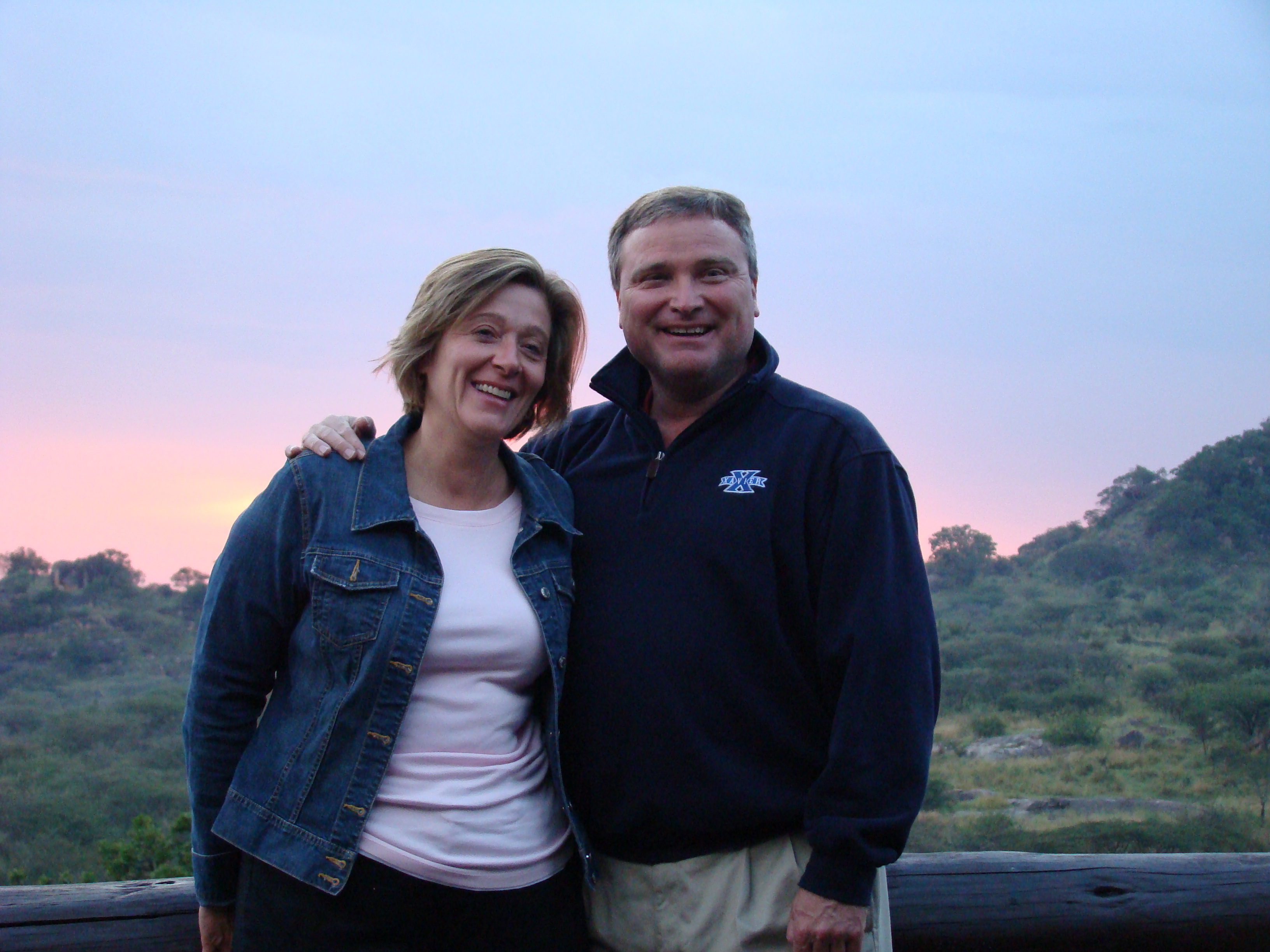 He was a great father, mentor, and friend. He was a soccer coach, a member of the pool board, and the Director of the Gallagher Center at Xavier University, where he worked for 23 years here in Cincinnati. Kids were drawn to him. He understood them and could always help them through whatever they were dealing with. He was a mentor to more students than I could count. At Xavier, he was in charge of the Student Government, ran the Student Activities Council, and was on the Disciplinary Board. He was always good at working with kids and just knowing when there was something wrong. Whenever a student got in trouble, he would reach out to try to get them back on track. I think it helped him to be able to help these kids. Jim was an amazing dad, too. By the time the girls were in about first grade, Jim started coaching soccer. He was great at it. He would get on their level and get really involved. He was a really hands-on parent, too. He was constantly dreaming up activities that the girls loved, like camping in the backyard, catching frogs, watching their favorite shows and laughing along with them. And he was always that parent who came into class all the time. He was just really close with the girls.
 Dad, I wish you had been able to feel free of shame. I wish you had been able to talk openly about your mental illness, especially during the times when you likely felt so alone. I wish that individuals like you and Jim could have known, deep down, just how much you were loved and how much you would be missed. But, from a distance, I hope you’re able to see how much you were loved by the work being done in your memory. Dad, you were so loved by so many, and I know that you knew that in the depths of your soul—I only wish that the stigma associated with mental illness had not been there to help you remember that in each and every moment. But, for as long as I live, I’ll continue to honor your memory and work to make sure that everyone who listens learns from your life. I’m thankful and grateful that there is a community of individuals, like Nancy, who are in this same fight. Dad, I can’t wait to tell you how important you are to me and so many other people. I look forward to the day when I can embrace you again and let you know how much you mean to me. Until that day, seeya Bub.
  Author Bio: Nancy Eigel-Miller, Founder & Director, 1N5

 Dad, My heart hurts deeply when I think about how fearful you likely felt throughout your life. It breaks my heart to know that you experienced such shame which prevented you from reaching out and talking to those of us who loved you. Dad, I just want you to know that we were never, ever disappointed in you. No matter how sick you might have been, and even during the times when your mental illness led you to leave us, we were never disappointed in the man you were. And now, I hope you are resting in the peace of Heaven and allowing God to remind you, daily, that He was never disappointed either. Your life continues to guide me and remind me of the importance of sharing my feelings with others, and although I don’t always do it perfectly, I’m grateful that you’re still parenting me and teaching me daily. I carry you with me every single day, Dad. Thank you, Dad, for showing courage in all those moments that matter most. I can’t wait to tell you, face to face, how proud I am of you for fighting the way you did. Until that glorious reunion, seeya Bub.
 Dad, Talking about your death has, at times, been unbelievably difficult because the pain of losing you is still so real. Every day, I want to honor you and the life that you lived here, and I’m grateful that, over time, God has given me the grace and power to do that in my own way. Dad, I want you to know that you are still so loved by so many. Your story is helping so many people. Your death is giving life to other people who are hurting and struggling, and no matter what I do, I’ll never forget you and the lessons you taught me. Each time I talk about you, I can feel your presence, and I know you are watching over me and guiding me. Dad, continue watching over me. Continue to give me that peace and comfort that only a Father can provide. In your life, you taught me everything I would need to survive in the aftermath of your death; and in your death, your memory is still teaching me daily. Your memory teaches me what it means to be a good husband, son, and friend. Thank you, Dad, for being a Father worthy of praise. I miss you more and more each day, and I am anxiously waiting for the day when we are reunited. Until then, seeya Bub.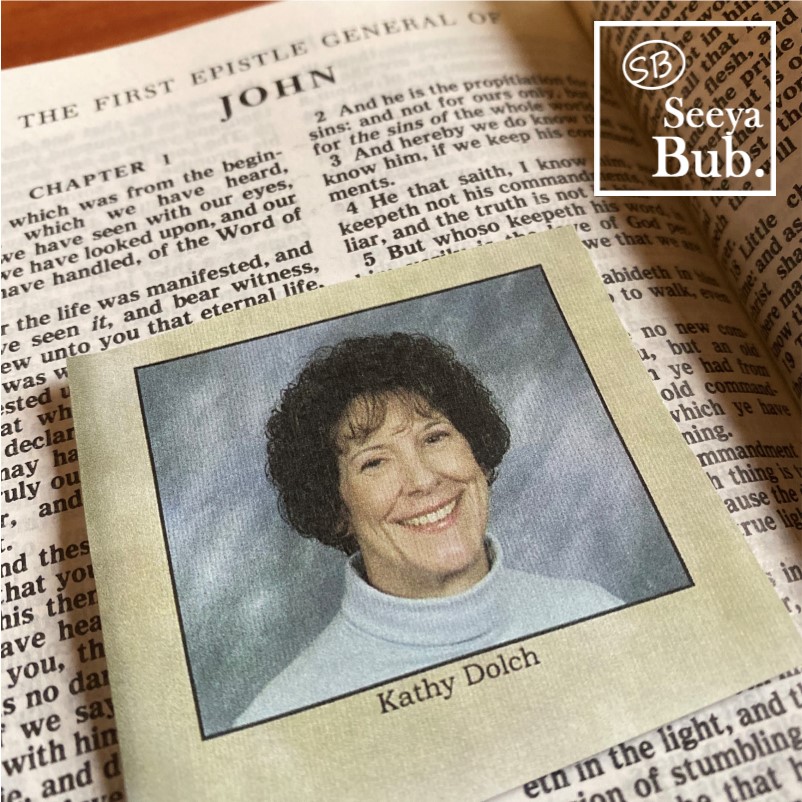
 Dad, For so long, I’ve tried to understand the level of despair you were feeling in the moment that your life ended. For the longest time, I wasn’t able to empathize with your pain. But individuals like Kathy have come into my life since losing you and have helped me gain that level of empathy. Dad, I am so sorry that you were hurting for so long. I’m so sorry that I wasn’t more forgiving in the times when you were hurting. I wish we had been able to help you find the healing that you needed and that you deserved. Dad, you had so much more to accomplish in this life. You had so many talents to contribute, and so many people left to love. I don’t know that I’ll ever understand how someone with such an unbelievable level of kindness, skill, and grace could feel as helpless as you did. But Dad, I promise to you that you will never be defined by your death. I will do everything I can to make sure that people remember you for the vivid life you lived, and I’ll make sure that your death (like Kathy’s story) gives people a hopeful reminder that life is worth living. Dad, thank you for equipping me with the courage to face life head-on in the aftermath of your death. It’s amazing to think that you were always teaching me the skills I would eventually need to deal with life after you. I’ll never stop learning from you, and I can’t wait to thank you for always giving me that inspiration. Until the day when I see your face again, seeya Bub.
 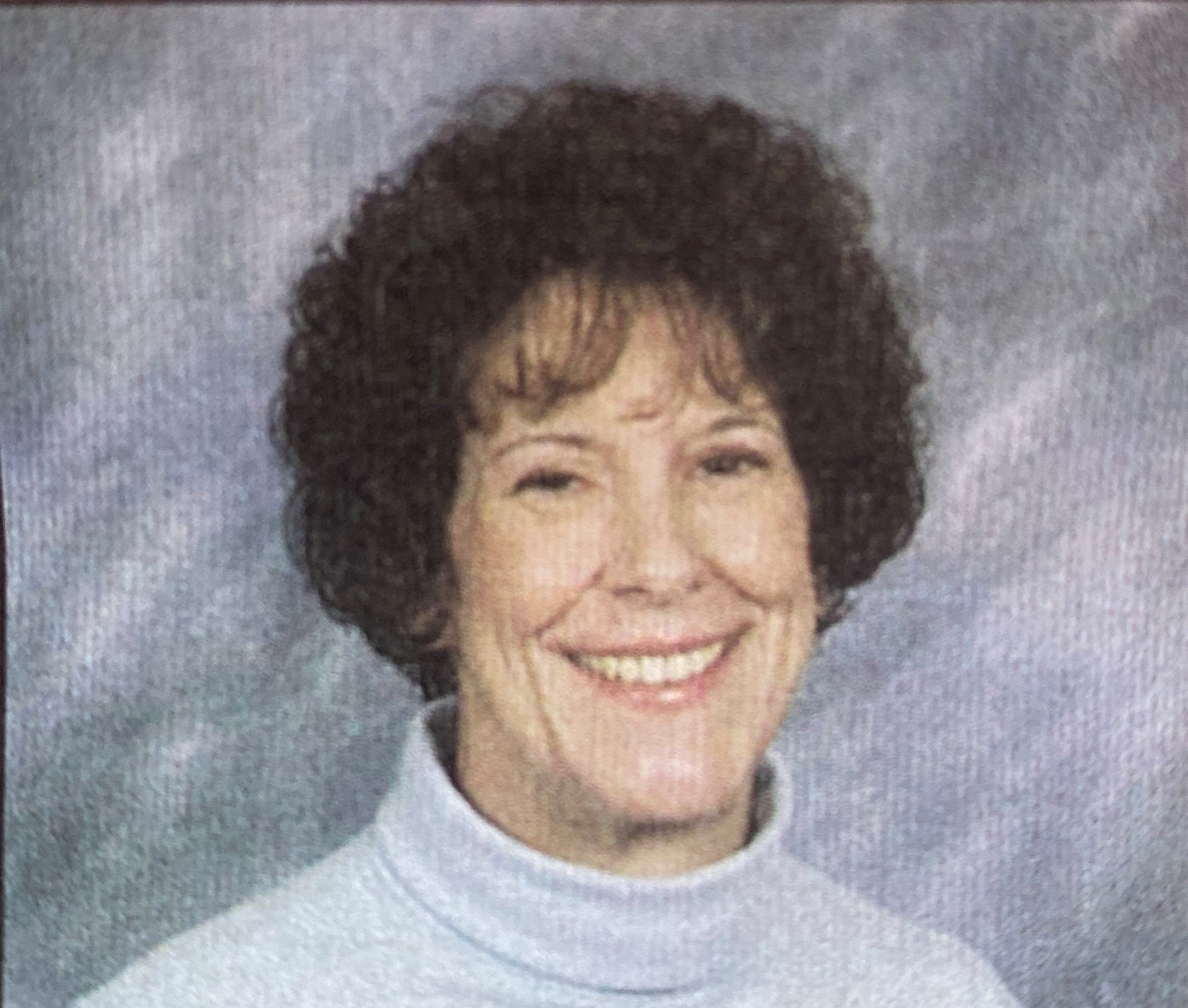 Kathy Dolch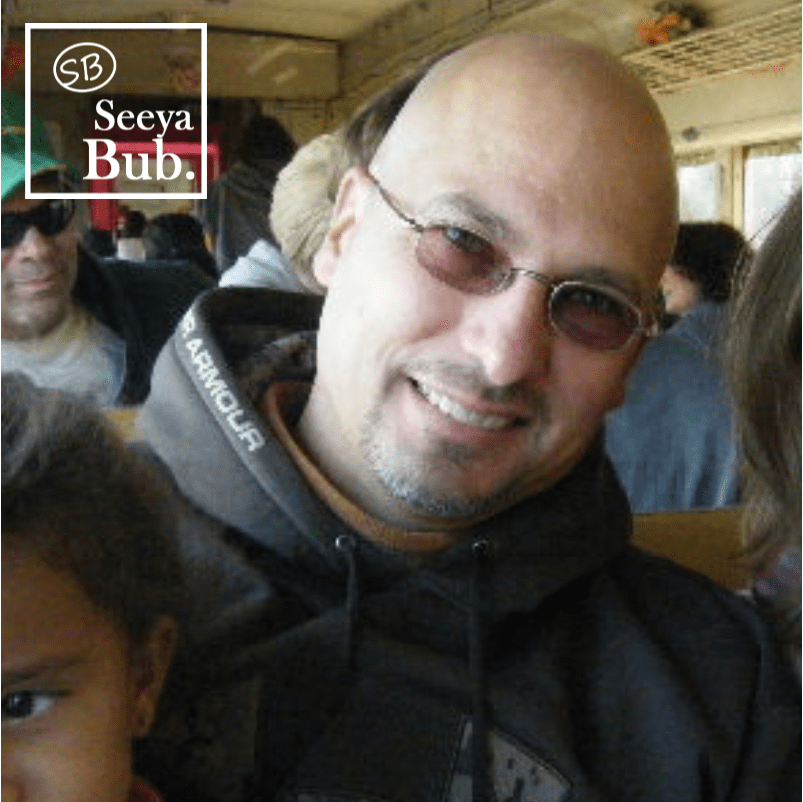
 Dad, my heart breaks each day when I think about losing you, and the past six years have been unbelievably difficult. I don’t want to have to navigate life without you because you had so much more to live for. Life was simply better when you were in it, Dad. You brought joy and laughter and security to the world around you, and we’ve all felt your absence every day. I also feel tremendous guilt because I wish it wouldn’t have taken your death for me to realize just how bad you were hurting. Dad, I should have been more patient and understanding. I should have shown you more empathy and grace because you were suffering from a disease that you couldn’t explain, identify, or even put into words. There are so many moments that I wish I could redo—days in which I treated you unfairly or without compassion. Although I can’t replay and fix those moments, I want to spend every day here on Earth trying to redeem your death. I want to make sure that everyone who reads my words and hears my voice knows your story, learns from it, and chooses a different path forward because of it. Dad, you gave me the courage to carry on in the face of your death, and although I’d do just about anything to have you back, I’m so grateful that you taught me to do everything I can to help others who are hurting. Thank you for always loving me. Thank you for always teaching me, even in your death. Thank you for all you gave to me, even on days when you couldn’t even take care of yourself. I love you, Dad, and I miss you tremendously. I can’t wait to be reunited forever in the glory of God’s eternal kingdom. Until that day, seeya Bub.
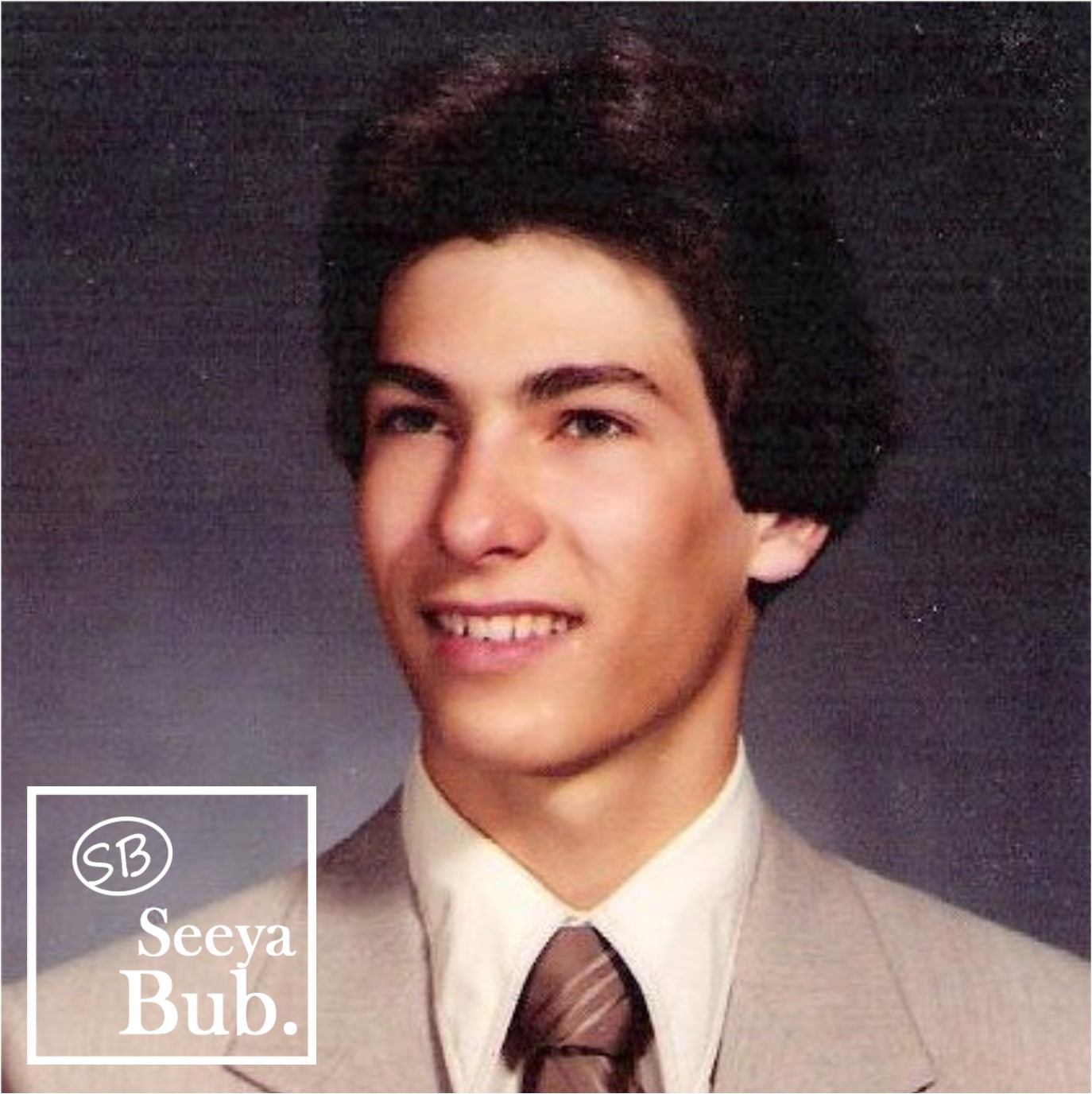 Dad, You lived a big and vibrant life while you were here with all of us, and your absence is even more noticeable and painful because the void left behind is so great. You deserved to live a fuller life than the one you experienced, and I’m sorry I didn’t do more to make that dream reality. Dad, I would have loved watching you grow old—even though it might not have been as much fun for you as it would have been for me. I would have loved seeing you on my wedding day, and you have no idea how much I would have appreciated your wisdom about navigating this new chapter in my life because you were such an amazing husband for Mom. And yes, I would have loved watching you become a grandpa more than anything else. I know you would have been silly and goofy and ridiculous—and completely adored by your grandchildren. But Dad, as much as I wanted to watch those things for myself, I’m ultimately saddened because you earned the right to experience all of those wonderful things. I hate mental illness and suicide for robbing you of these life chapters. Mental illness separated you from us and from many wonderful, beautiful moments that awaited your future. And although I won’t get to watch you enjoy life, and although I’ll always have questions about why this happened to you, I do find peace knowing that you’re not suffering any longer. I find a sense of comfort knowing that the unjustified feelings of shame and embarrassment that you experienced in this world are completely gone and fully redeemed. And I know that as great as any experience you could have had here with us might have been, you’re experiencing a joy and beauty beyond any other as you bask in the glory of Heaven and God’s everlasting love and paradise. Dad, keep watching over me, and keep reassuring me that you were called Home for a reason. I love you, and I wish we could have experienced more of this life together; but I know there’s a greater reward and an unbelievable reunion awaiting us. Thank you Dad, and until the day when we are reunited forever, seeya Bub.
  Seeya Bub